
GREENEINSOF INSIGHTS
Insights
Explore practical perspectives on smart farming, agricultural technologies, digital transformation, and the evolving future of agriculture.
-
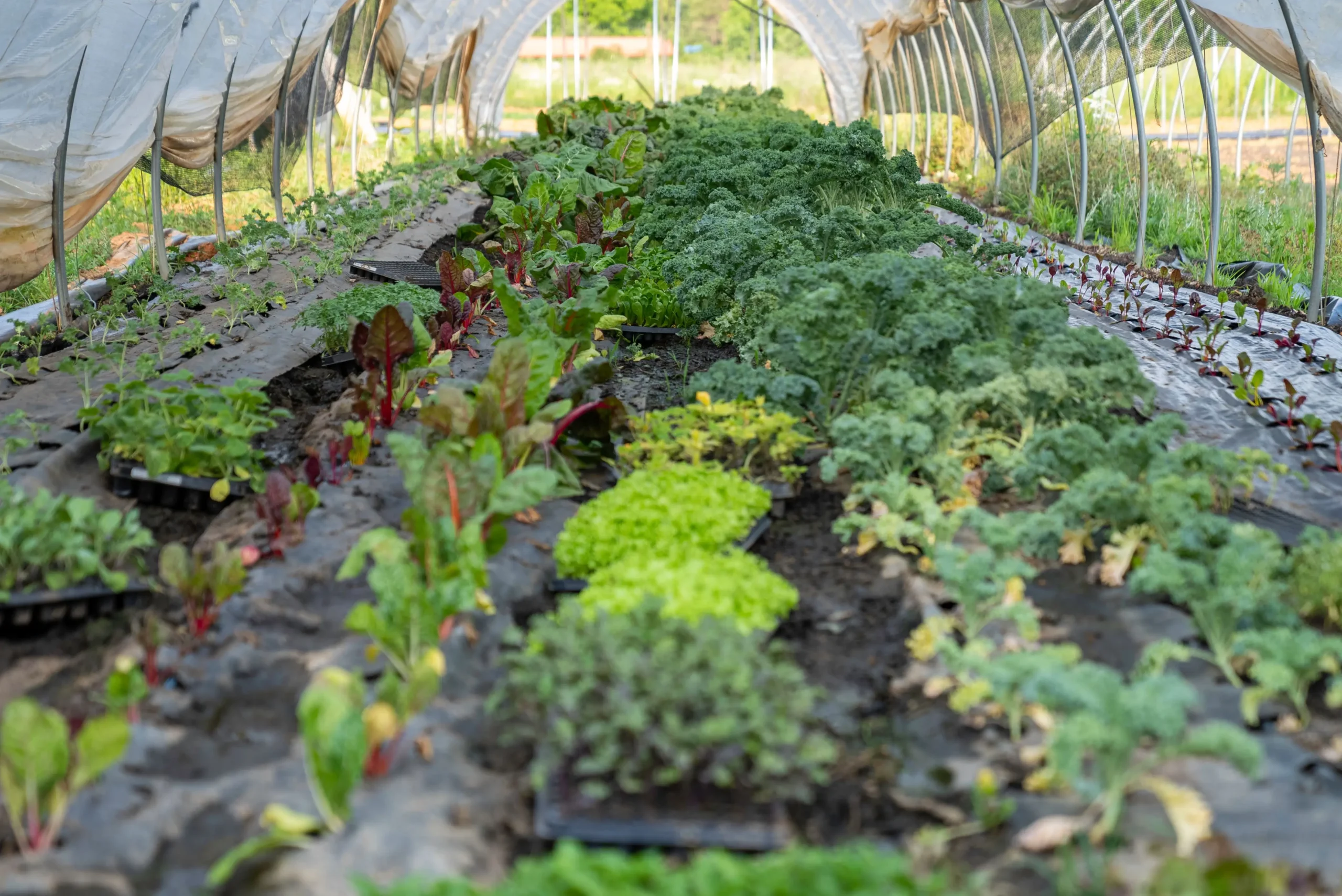
Why Start a Greenhouse Farm? 6 Advantages over Other CEA Models
Explore six reasons to start a greenhouse farm, from daylight and investment flexibility to established crop markets, alongside current technology developments, operating challenges and practical questions that help turn production potential into a viable business.
-
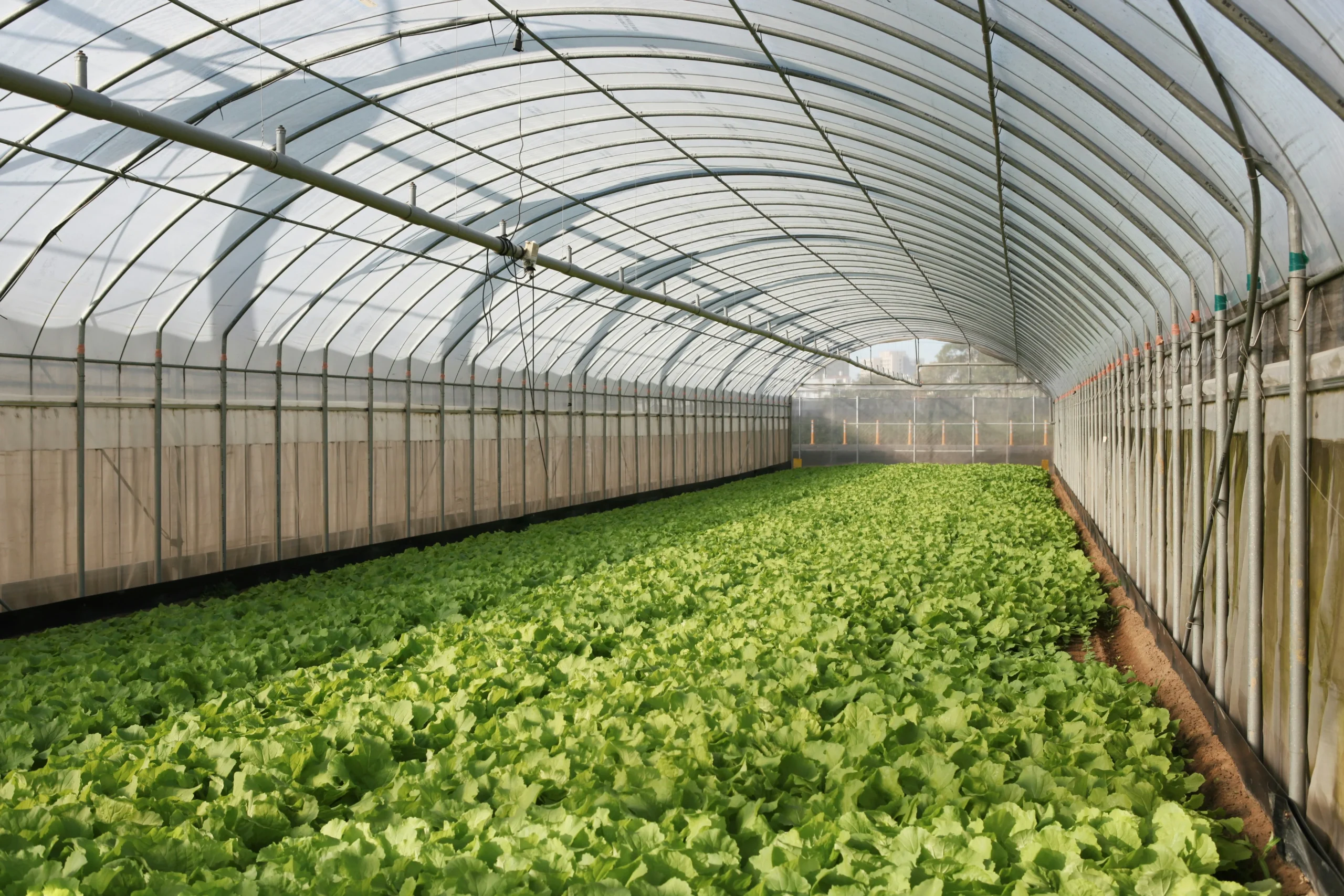
Controlled Environment Agriculture: Changing the Way We Grow
Controlled environment agriculture promises more predictable harvests, but profitability depends on crop selection, energy, and markets. Explore verified USDA figures, greenhouse and vertical farming trade-offs, and practical questions before investing in new commercial production systems.
-
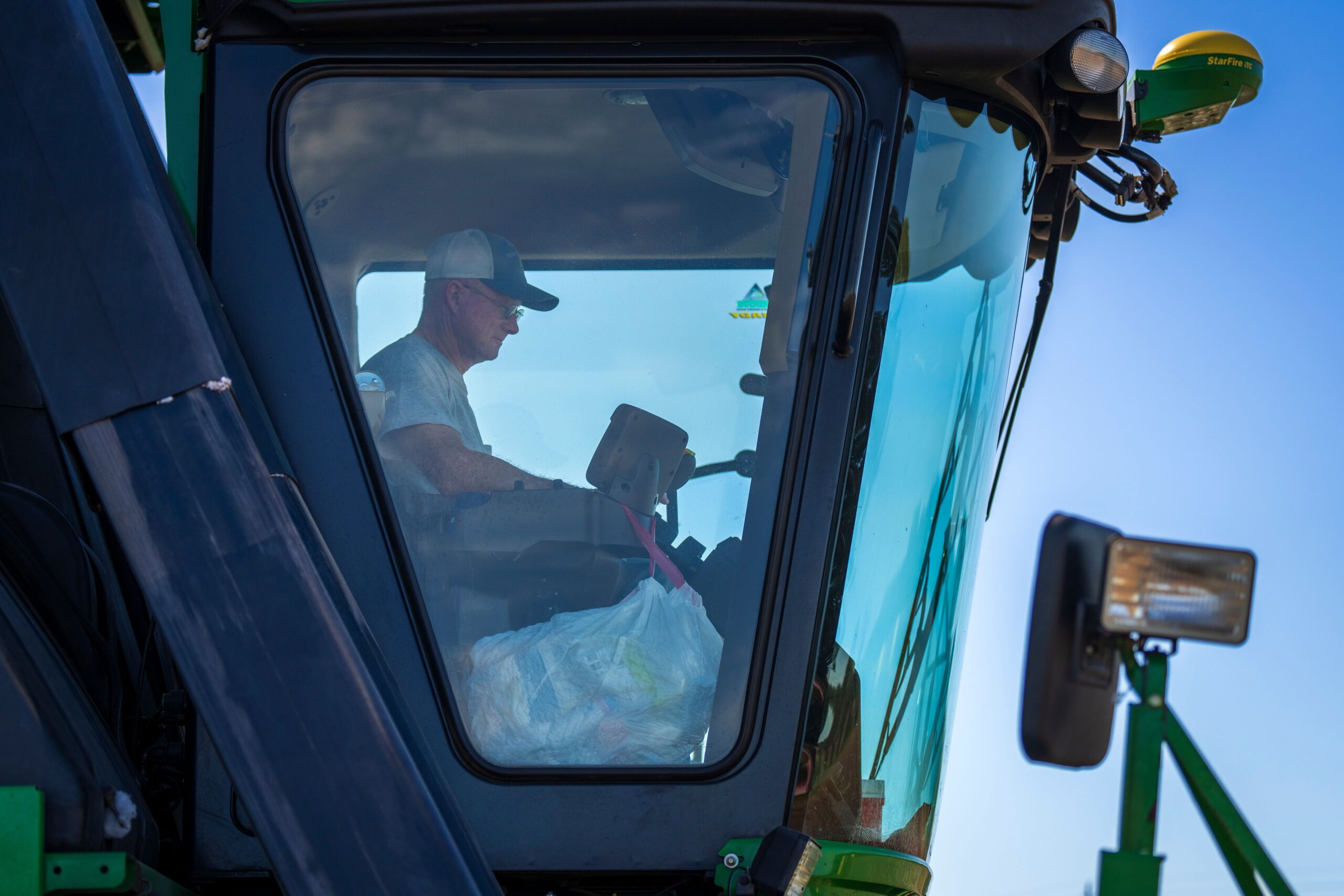
Farm Equipment Data Sharing: 5 Reasons It Fails
Farm equipment data sharing can break down across functions, formats, definitions, connections, and access. Explore five reasons mixed fleets struggle and practical checks to help operators bring usable field records back into their chosen software.
-
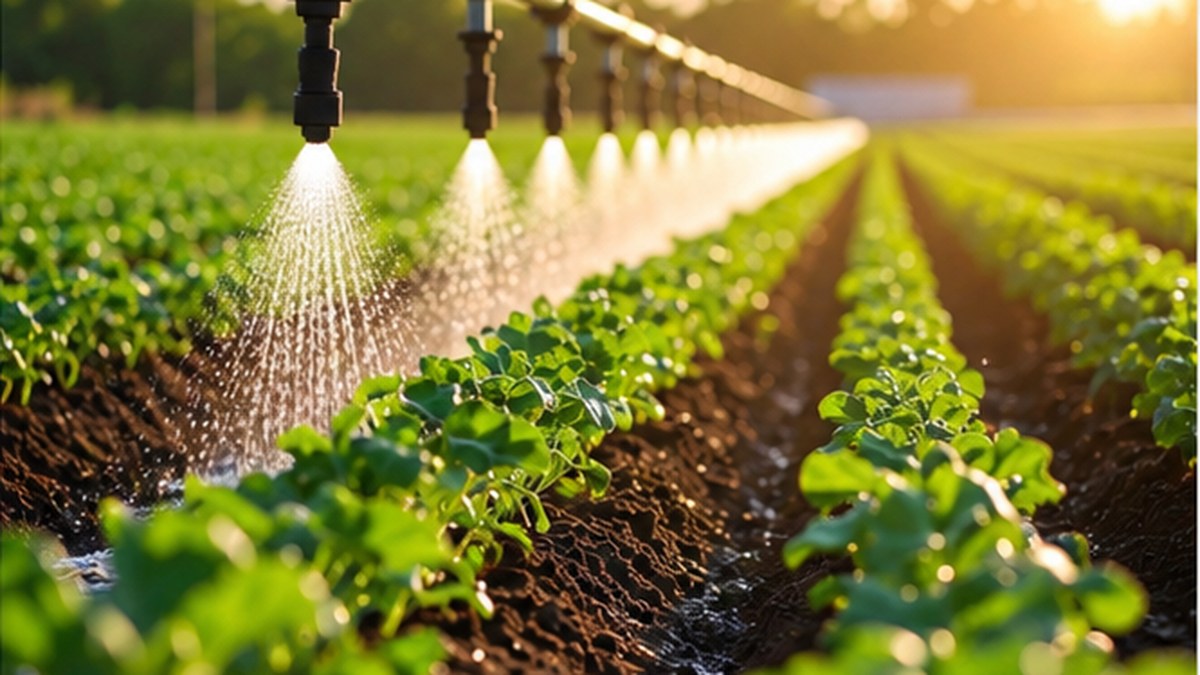
Smart Irrigation ROI: When Does Precision Water Management Pay Off?
Precision irrigation can reduce water use, but financial returns depend on farm conditions, operating costs, and investment requirements. Explore the evidence and practical considerations that help growers evaluate when smarter water management makes economic sense.
-
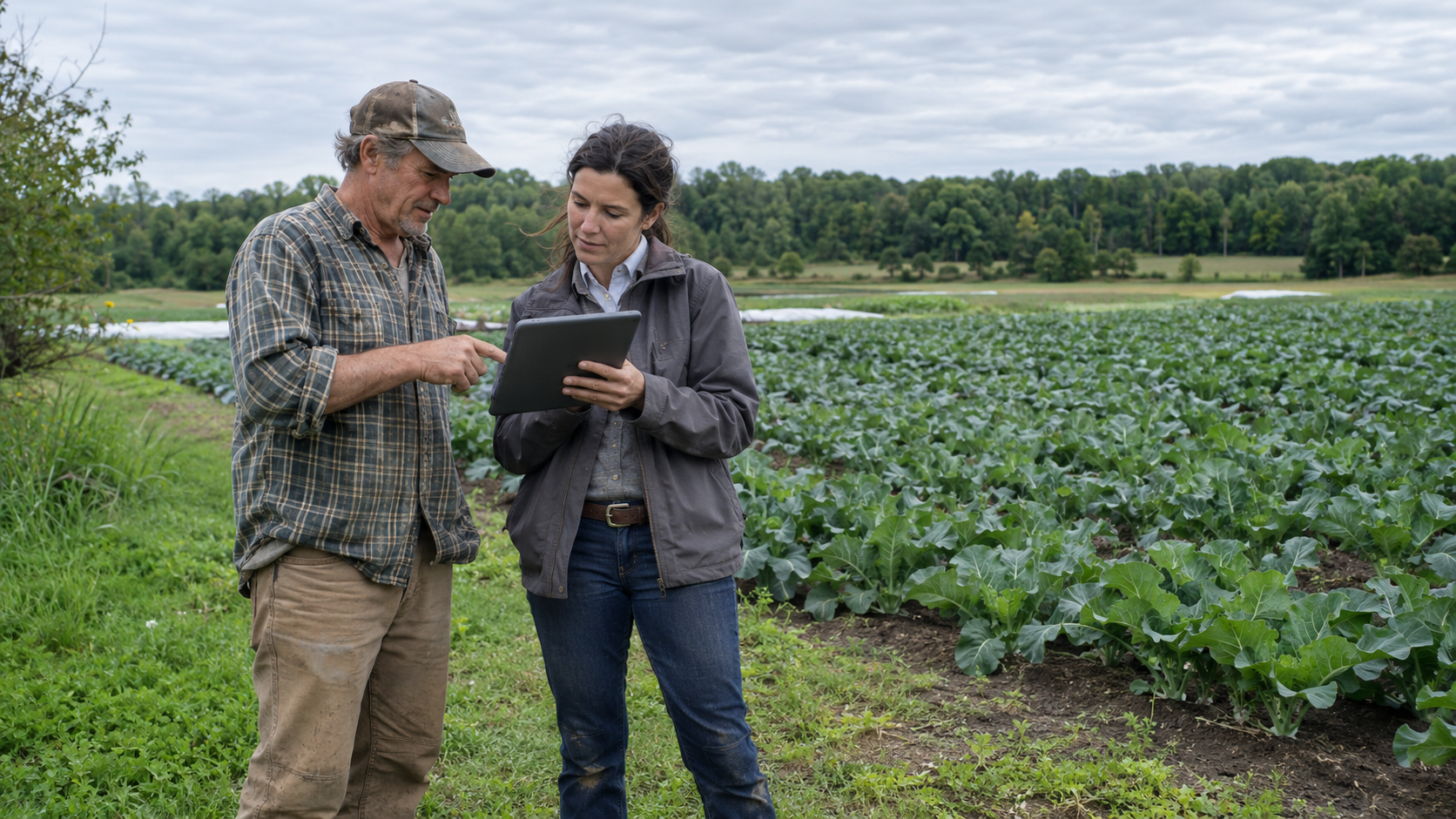
AI in Agriculture: Are We Ready to Trust AI-Driven Farm Decisions?
Can farmers trust AI in agriculture? Examine how local validation, data quality, explainability, and human oversight help agricultural businesses assess recommendations, evaluate tools, and make informed decisions before expanding their use across real farm operations.
-
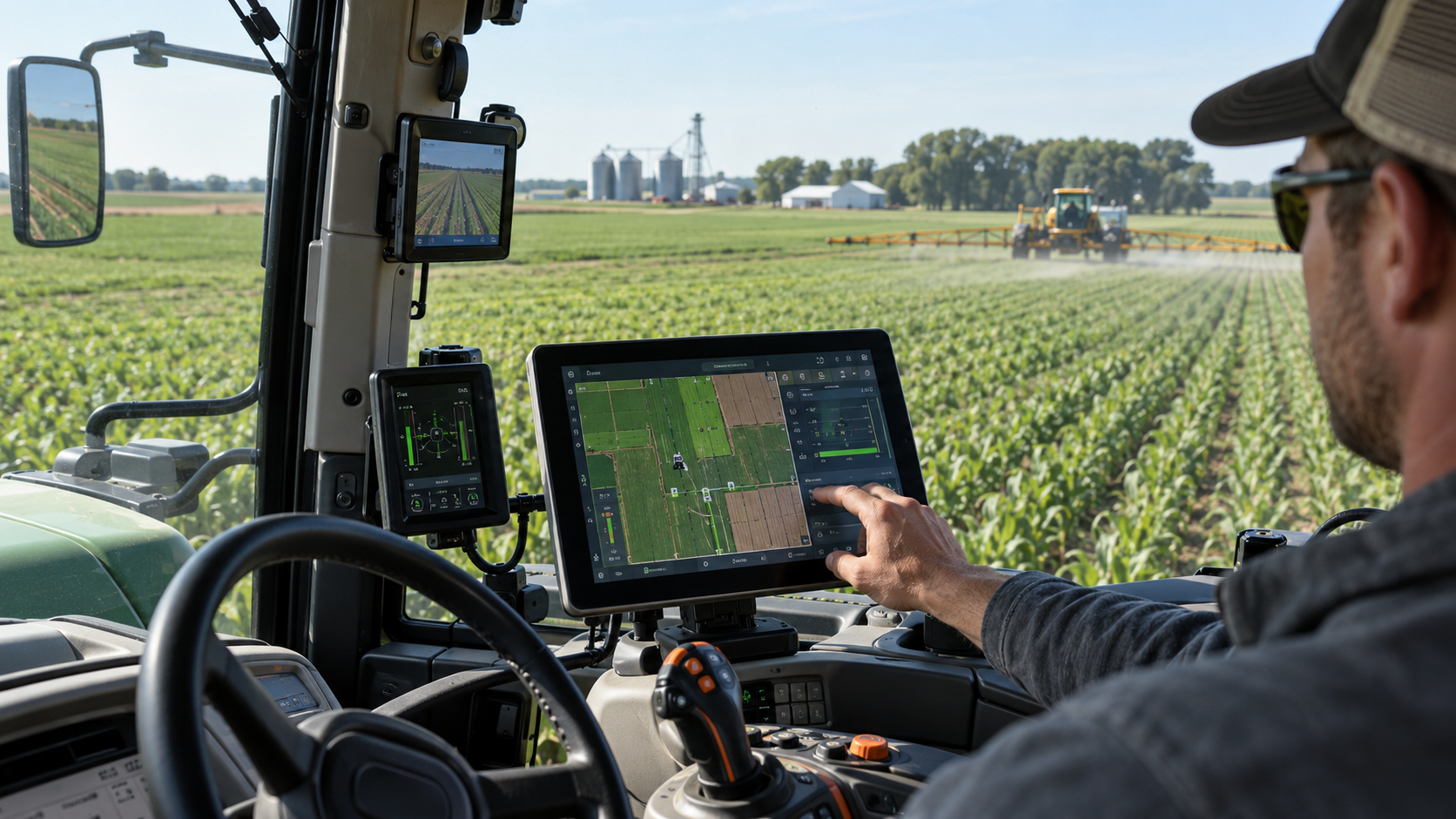
Agricultural Data Interoperability: Why Smart Farming Systems Still Struggle to Connect
Smart farming systems generate valuable data, yet connecting them remains difficult. Explore the technical, organizational, and governance barriers to agricultural data interoperability, alongside practical considerations for integrating systems and supporting better decisions across farm operations.